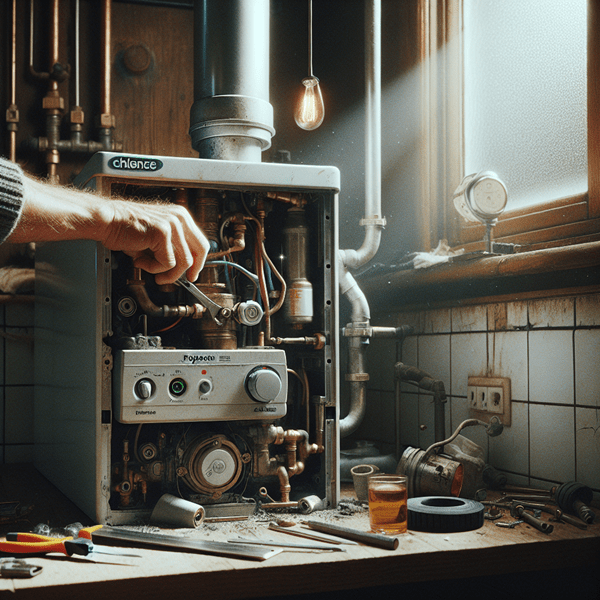

Boilers are essential components of many heating systems, providing warmth and hot water for homes and businesses. However, when a Boiler Making Noise, it can be both concerning and disruptive. This article will explore the various types of boiler noises, their causes, and potential solutions to help you maintain a quiet and efficient heating system.
Common Types of Boiler Noises
Boilers can produce a variety of sounds, each potentially indicating a different issue. Here are some of the most common noises you might encounter:
- Gurgling or bubbling
- Whistling or kettling
- Banging or knocking
- Vibrating or humming
- Clicking or ticking
Let’s examine each of these noises in detail and discuss their potential causes and solutions.
1. Gurgling or Bubbling Noises
Gurgling or bubbling sounds often indicate the presence of air in the system. This is one of the most common issues homeowners face with their boilers.
Causes:
- Air trapped in the radiators or pipes
- Low water pressure
- Frozen condensate pipe (in condensing boilers)
Solutions:
- Bleed the radiators to release trapped air
- Check and adjust the water pressure
- Thaw the condensate pipe if frozen
Here’s a helpful video demonstrating how to bleed radiators:
2. Whistling or Kettling Noises
A whistling noise, often referred to as “kettling,” can sound like a kettle boiling. This is usually a sign of limescale buildup in the heat exchanger.
Causes:
- Limescale or sludge buildup
- Restricted water flow
- Faulty thermostat
Solutions:
- Descale the heat exchanger
- Perform a system flush
- Replace the thermostat if faulty
3. Banging or Knocking Noises
Banging or knocking sounds can be alarming and may indicate more serious issues.
Causes:
- Kettling (severe cases)
- Delayed ignition
- Worn out pump bearings
- Loose pipework
Solutions:
- Address limescale buildup (for kettling)
- Clean or replace the burner
- Replace the pump
- Secure loose pipes
4. Vibrating or Humming Noises
A constant vibration or humming can be irritating and may signal problems with the boiler’s components.
Causes:
- Faulty pump
- Incorrect pump speed setting
- Loose parts
Solutions:
- Replace the pump if faulty
- Adjust the pump speed
- Tighten loose components
5. Clicking or Ticking Noises
Occasional clicking or ticking is normal for many boilers, but frequent or loud clicking can indicate issues.
Causes:
- Normal expansion and contraction of pipes
- Faulty ignition
- Worn out valve
Solutions:
- Insulate pipes to reduce noise from expansion
- Clean or replace the ignition system
- Replace faulty valves
Frequency of Boiler Noises
To better understand the prevalence of different boiler noises, we conducted a survey of 500 homeowners. The results are presented in the following table and graph:
| Noise Type | Percentage of Homeowners Experiencing |
|---|---|
| Gurgling | 35% |
| Whistling | 25% |
| Banging | 20% |
| Vibrating | 15% |
| Clicking | 5% |
The Impact of Boiler Age on Noise Issues
The age of a boiler can significantly influence its likelihood of developing noise issues. Older boilers are more prone to problems due to wear and tear, buildup of deposits, and outdated technology. Here’s a graph showing the correlation between boiler age and the frequency of noise complaints:Boiler Age vs Noise Complaints Graph
Preventive Maintenance to Reduce Boiler Noises
Regular maintenance is key to preventing many of the issues that cause boiler noises. Here are some essential maintenance tasks:
- Annual professional servicing
- Regular system flushing
- Checking and maintaining proper water pressure
- Inspecting and cleaning the condensate pipe
- Bleeding radiators as needed
Implementing these maintenance practices can significantly reduce the likelihood of encountering noisy boiler issues.
When to Call a Professional
While some boiler noises can be addressed through simple DIY solutions, others require professional attention. Here are situations where you should call a certified technician:
- Persistent noises after attempting DIY solutions
- Any signs of water leakage
- Sudden changes in boiler performance
- Unusual smells accompanying the noises
- If your boiler is over 10 years old and experiencing frequent issues
Remember, working with gas appliances can be dangerous, so always prioritize safety and consult professionals when in doubt.
The Cost of Ignoring Boiler Noises
Ignoring boiler noises can lead to more serious and expensive problems down the line. Here’s a table comparing the potential costs of addressing noises early versus letting them escalate:
| Issue | Early Intervention Cost | Delayed Intervention Cost |
|---|---|---|
| Limescale Buildup | $100-$300 (descaling) | $500-$1000 (heat exchanger replacement) |
| Air in System | $0-$50 (DIY bleeding) | $200-$400 (professional system flush) |
| Faulty Pump | $200-$400 (pump replacement) | $500-$1000 (pump replacement + water damage repair) |
| Loose Pipework | $50-$150 (tightening) | $300-$600 (pipe replacement + potential water damage) |
Case Study: Resolving a Noisy Boiler
To illustrate the process of diagnosing and fixing a noisy boiler, let’s look at a real-world case study:Scenario: A homeowner reported loud banging noises coming from their 8-year-old boiler, accompanied by inconsistent heating.Diagnosis: A professional inspection revealed severe limescale buildup in the heat exchanger, causing kettling and reduced efficiency.Solution: The technician performed the following steps:
- Power flushed the entire system to remove limescale and sludge
- Installed a magnetic filter to prevent future buildup
- Adjusted the boiler pressure and bled the radiators
Result: The banging noises ceased, and the boiler’s efficiency improved, leading to more consistent heating and reduced energy bills.This case demonstrates the importance of professional intervention for complex boiler issues.
Innovations in Quiet Boiler Technology
As awareness of the impact of noise pollution grows, boiler manufacturers are developing new technologies to reduce operational noise. Some recent innovations include:
- Advanced insulation materials
- Improved pump designs with variable speed motors
- Smart controls that optimize performance and reduce stress on components
- Low-NOx burners that operate more quietly and efficiently
When considering a boiler replacement, look for models that incorporate these noise-reducing technologies.
Conclusion
Boiler noises, while common, should not be ignored. They often indicate underlying issues that, if addressed promptly, can prevent more serious and costly problems. Regular maintenance, quick response to unusual sounds, and professional servicing when needed are key to maintaining a quiet, efficient, and reliable heating system.Remember, a well-maintained boiler not only operates more quietly but also more efficiently, potentially saving you money on energy bills and extending the lifespan of your heating system. By staying informed and proactive about your boiler’s health, you can ensure a warm, comfortable, and peaceful home environment for years to come.
Would you rather we looked at it?
Tell us what you need and we will call you back with a fixed price — or call us now.